

Football clubs do not always need rebuilding. They need targeted upgrading.
That is what makes football club refurbishment without replacement such a practical option. In stadiums and training environments, the problem is often not that the doors, walls, counters or fitted furniture have failed. It is that they look tired, dated or no longer reflect the standard the club wants to present.
That matters more than people think.
Hospitality areas have to look premium, but they also have to keep functioning. Dressing rooms, lounges, bars, boxes and player areas are highly visible and heavily used, but they often need to stay operational around fixtures, events, training schedules and day-to-day venue use. That is exactly where architectural film, wall graphics, and glazing film can make a major difference.
Instead of ripping everything out and creating a much heavier fit-out package, clubs can upgrade many of the key interior surfaces in place. That means faster turnaround, less disruption and a stronger visual result without unnecessary replacement.
In This Guide
At a glance
Best for: dressing rooms, hospitality areas, bars, lounges, boxes, doors, fitted furniture, washrooms, counters and player environments
Main drivers: modernising tired areas, improving brand consistency, keeping spaces operational, working around fixtures and events
Strongest additional opportunity: wall graphics for club branding, history, player imagery, motivational messaging and premium hospitality presentation
Why it works: high visual impact, fast turnaround, reduced disruption and no need to replace every usable surface
Why football clubs often need refurbishment before replacement
Football clubs are unusual environments because they combine:
- high-traffic hospitality spaces
- premium guest-facing areas
- operational back-of-house zones
- player-focused environments
- and event-driven programme pressure
That means interiors wear hard and become dated quickly.
Dressing room walls get knocked and marked. Doors and joinery start to look tired. Hospitality bars and counters stop reflecting the rest of the venue. Lounges and executive areas lose their premium feel. And once that starts happening, the whole environment can feel older than the club wants it to.
That does not mean everything needs to be stripped out.
In many cases, the structure is still sound. The finish is the problem. That is where refurbishment without replacement becomes a much smarter option.
Which football-club areas are best suited to wrapping?
A lot of the most effective work in football clubs happens on the surfaces people use and see every day.
That often includes:
- dressing room walls
- internal doors
- fitted furniture
- bars and hospitality counters
- lounges and boxes
- washroom elements
- feature joinery
- reception and arrival points
- player-area surfaces
- corridor and tunnel environments
These are the areas that shape how the venue feels. They are also the areas most likely to look tired long before they become unusable.
Which football-club areas are best suited to wrapping?
| Area | Why it is a good fit | Typical benefit |
|---|---|---|
|
Dressing rooms |
Highly visible, high-contact, often repeated surfaces |
Stronger player environment without major strip-out |
|
Hospitality bars and counters |
Fixed joinery that is expensive and disruptive to replace |
Faster premium upgrade with less downtime |
|
Lounges and executive boxes |
Guest-facing spaces where finish quality matters |
Better visual consistency and a more premium feel |
|
Internal doors and frames |
Repeated throughout the venue and quick to date the space |
Cleaner, more cohesive appearance |
|
Fitted furniture and joinery |
Often structurally sound but visually tired |
Modernisation without replacement |
|
Washrooms |
Cubicles, IPS, vanity units and doors date quickly |
Refreshed washrooms without a full rebuild |
|
Glazed areas |
Privacy, solar control and branded manifestation |
Better function and stronger presentation |
Why this works in football clubs
Football club projects are rarely just about design.
They are about doing the work in real operational environments where the venue cannot simply stop functioning. That means the method matters just as much as the finish.
Refurbishment without replacement works well in football clubs because it helps project teams:
- modernise tired spaces quickly
- reduce disruption around matches and events
- phase works around training schedules
- improve premium areas without full strip-out
- refresh club branding across the venue
- avoid unnecessary replacement of still-usable surfaces
This is especially important in hospitality-led areas, where the visual standard needs to be high but the venue still has to keep working.
Wall graphics should be part of the conversation
This is one of the biggest opportunities in football clubs.
When people think about refurbishment, they often focus on the surfaces that are worn. But football clubs also have huge potential to improve spaces with wall graphics.
This is especially relevant in:
- dressing rooms
- tunnels
- player arrival areas
- hospitality lounges
- bars
- club history walls
- wayfinding zones
- fan-facing and sponsor-facing environments
Wall graphics can help create:
- stronger club identity
- more energy in player and training spaces
- a more premium feel in hospitality environments
- more visual storytelling around club history and culture
- better alignment between brand and interior
That is why wall graphics should sit alongside wrapping in a football-club refurbishment plan, not as an afterthought.
Real project example: Ipswich Town
A strong example of football club refurbishment without replacement is Ipswich Town.
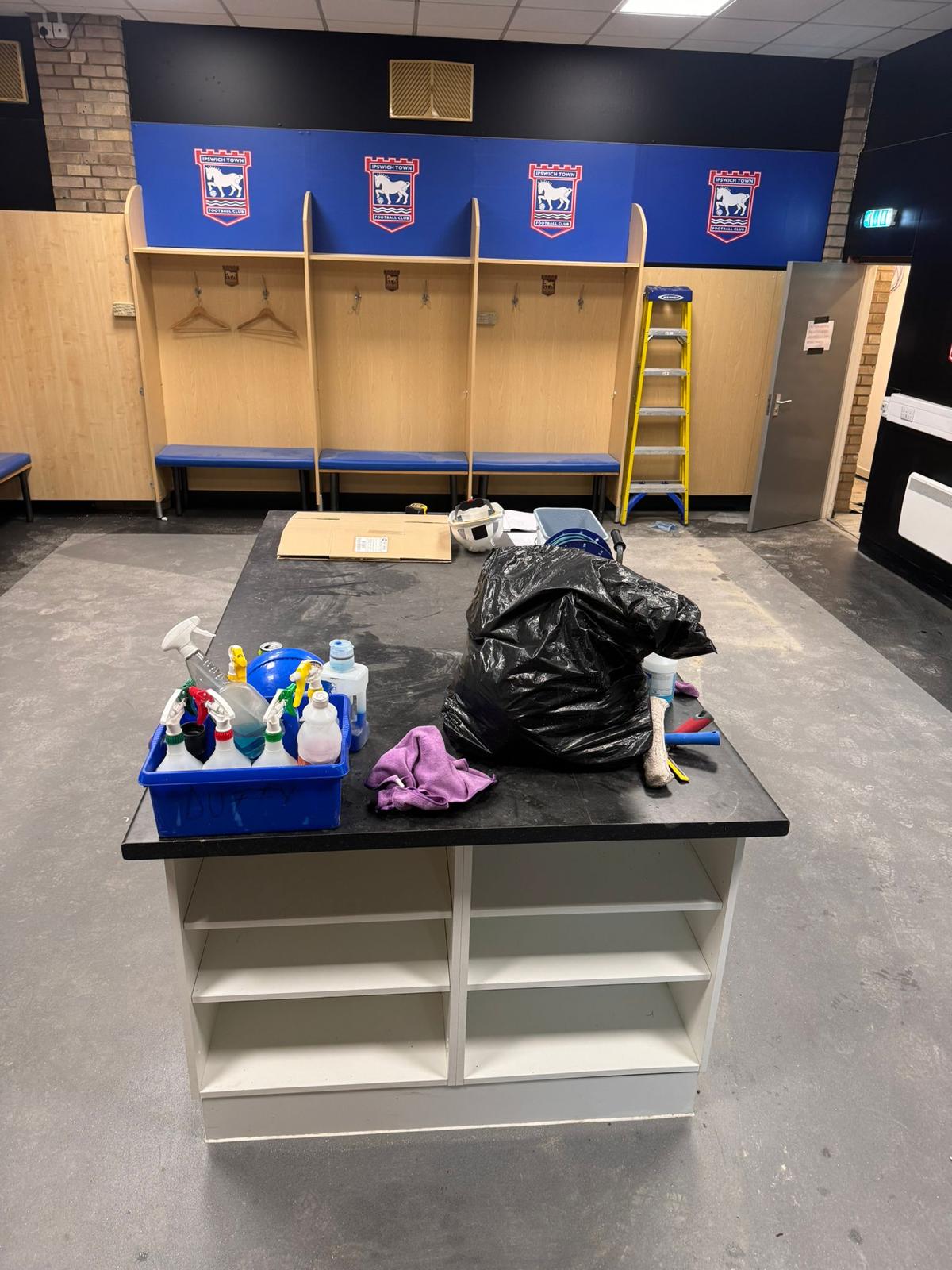
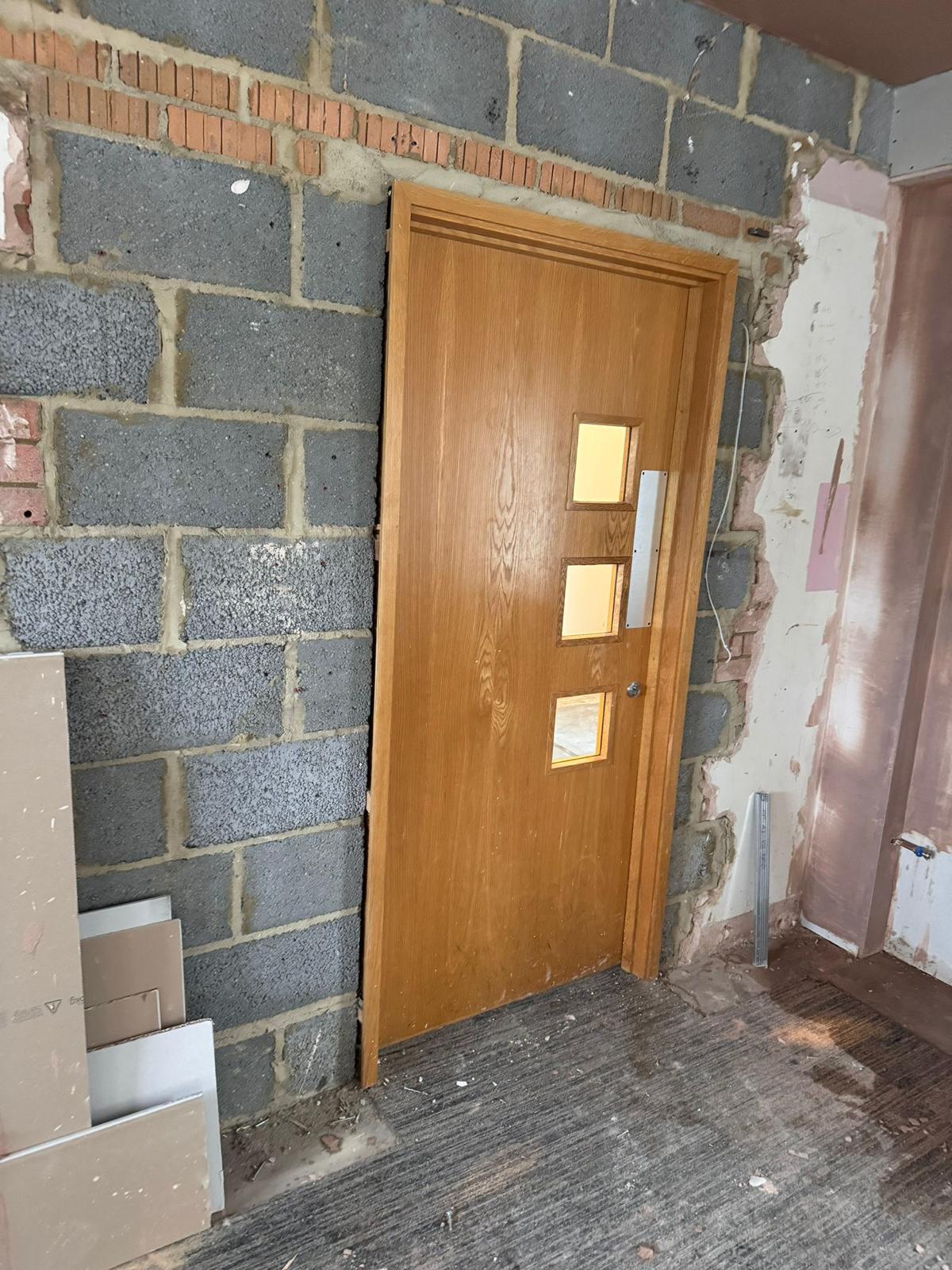
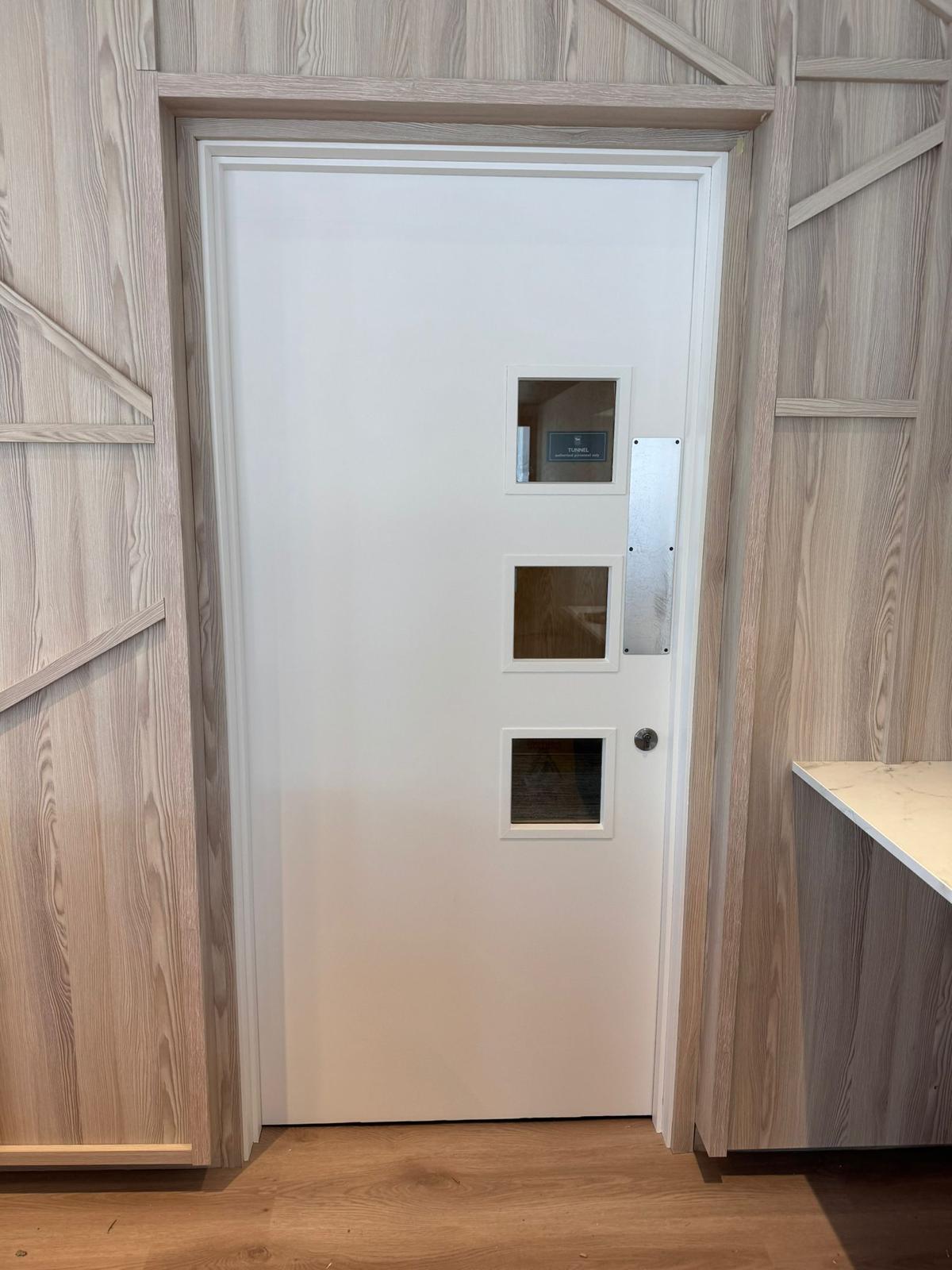
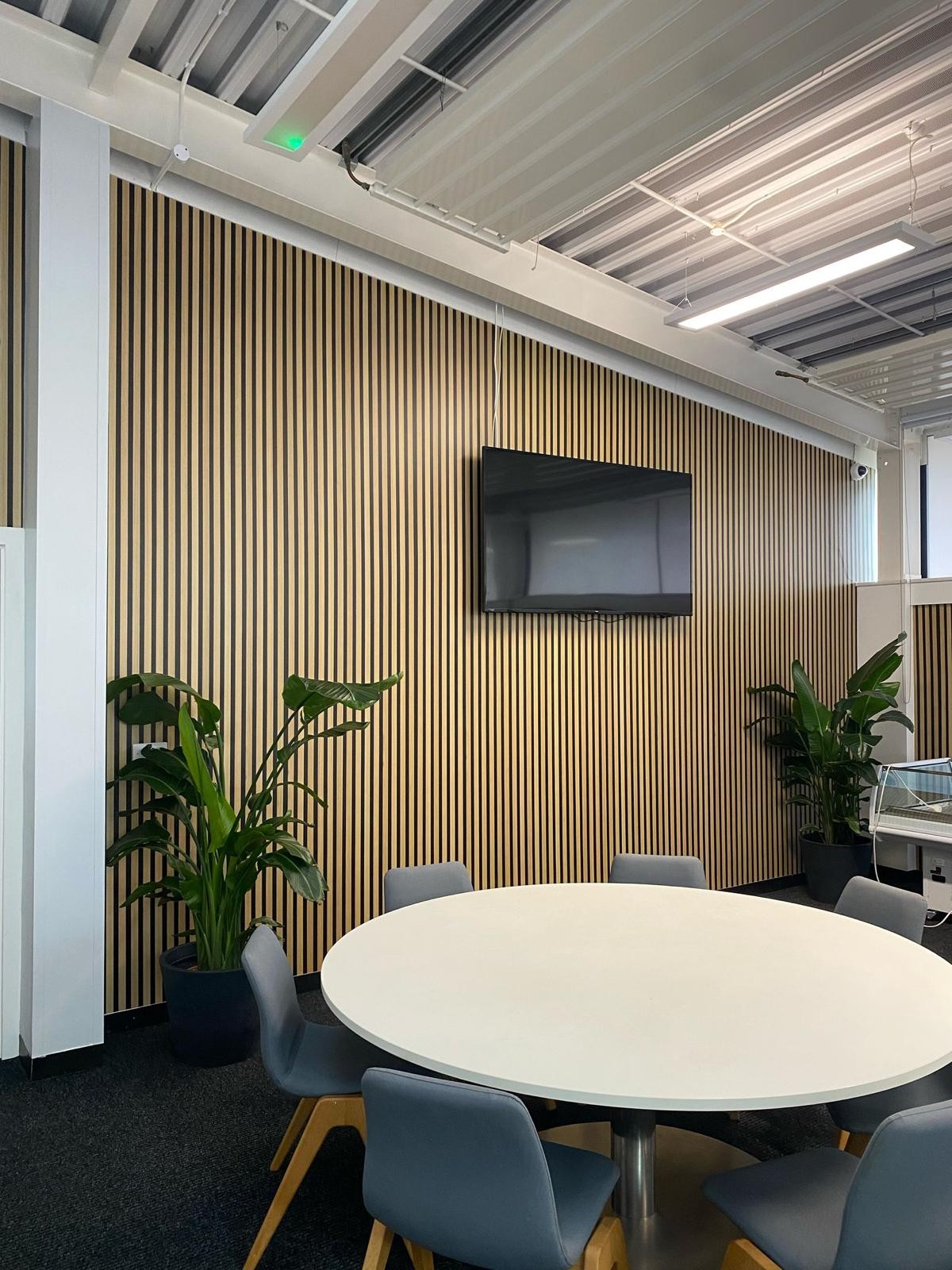
On this project, we wrapped the changing room walls, doors and fitted furniture, while also installing privacy film and solar control film in the boxes and lounges. The work was completed in just 2 days, which is exactly the kind of rapid turnaround football venues often need.
What makes this project such a good example is the mix of applications:
- player-facing areas
- guest-facing hospitality spaces
- surface refurbishment
- glazing improvement
- and a fast delivery window
That is the real value of this kind of work in football clubs. You can make a space feel far more current without introducing a much heavier programme.

Real project example: Arsenal
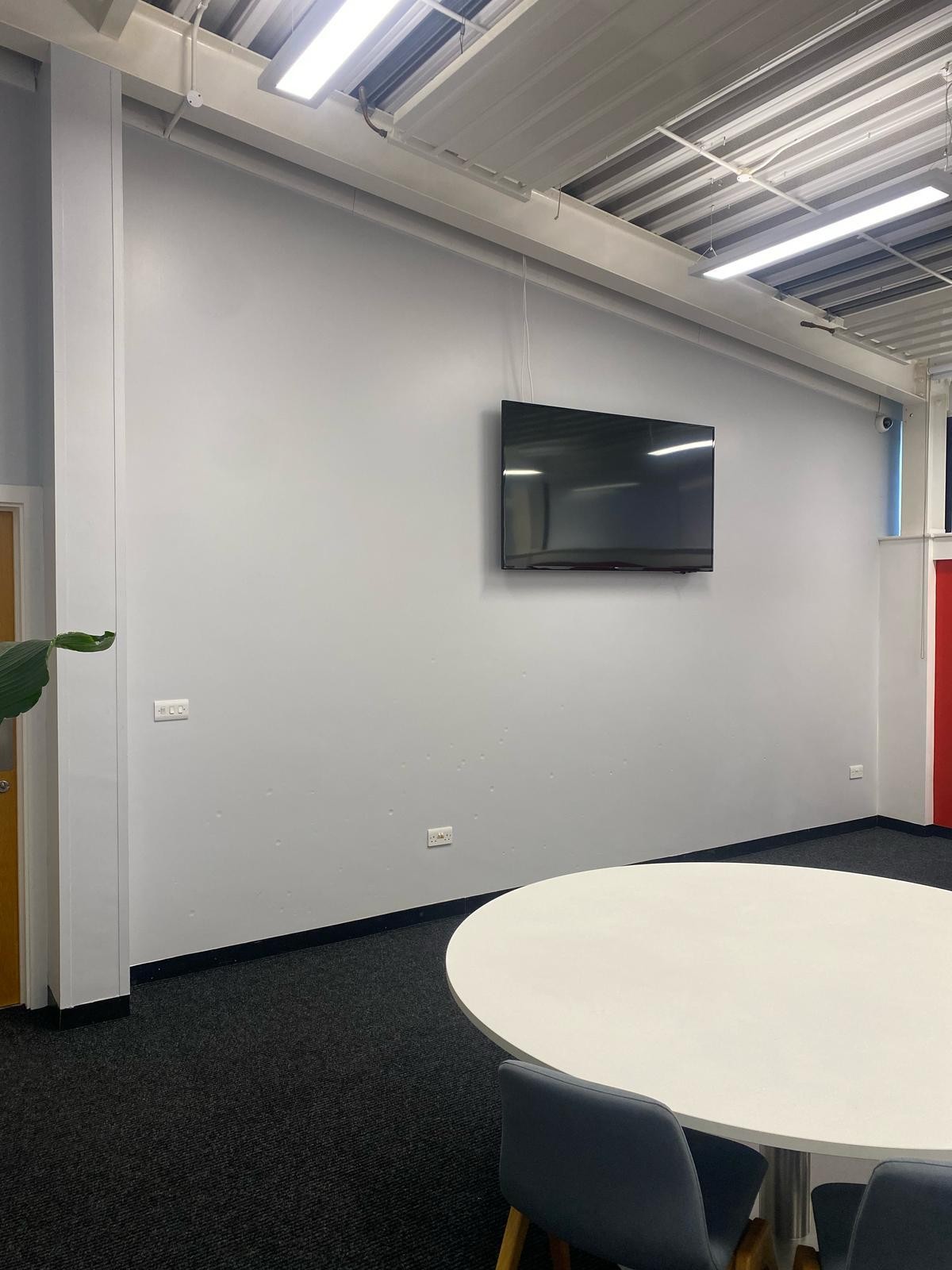
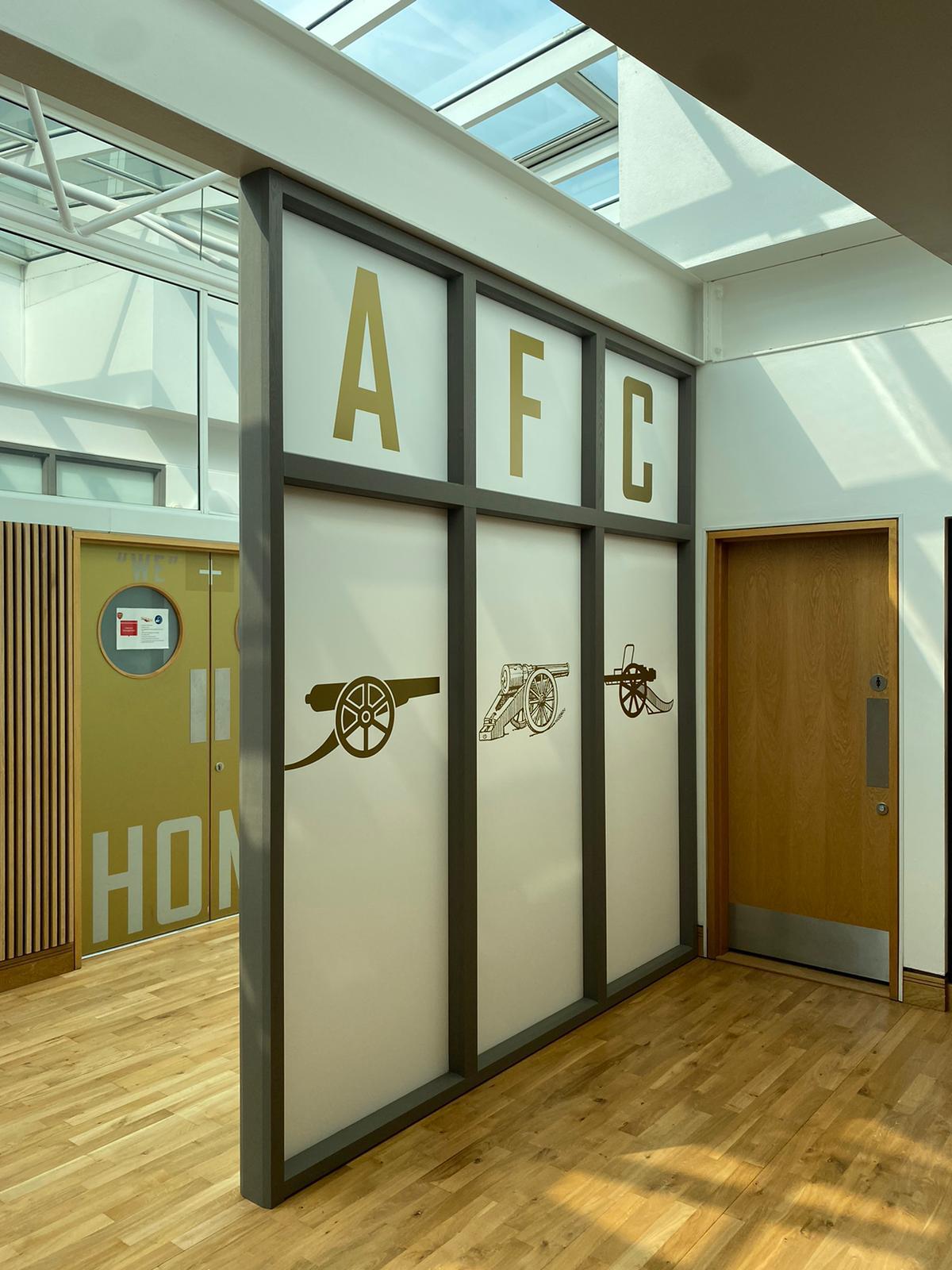
At Arsenal, the work had to be planned around player training schedules.
That is one of the clearest examples of why live-site delivery matters in football environments. The project could not simply be approached like an empty building. It had to fit around how the club actually uses the space.
This is where refurbishment-led work is particularly strong. It allows the visual upgrade to happen while still respecting the operational pressures of the venue.

Real project example: Tottenham Hotspur
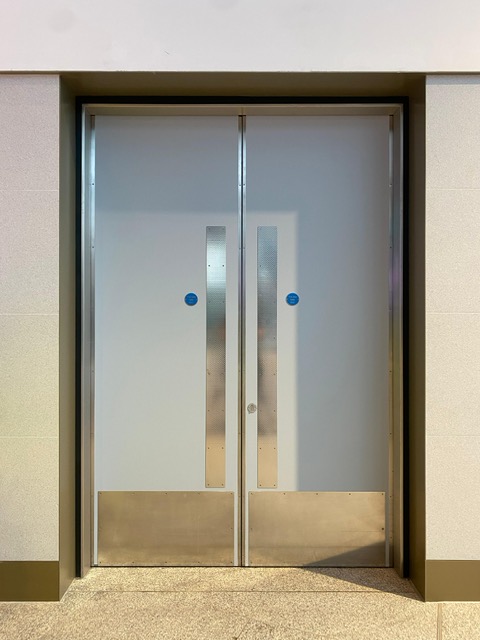
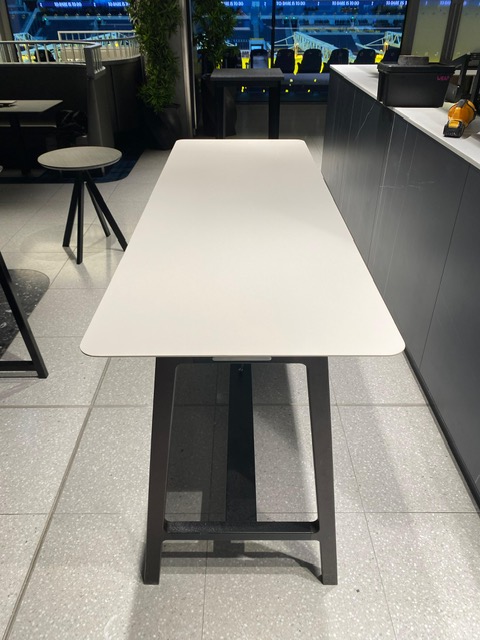
At Tottenham Hotspur, the programme had to work around matches and events.
That is exactly the kind of live-site reality that makes replacement more difficult than it first appears. Event venues and football clubs do not have generous empty windows. If the venue is still functioning, the work has to fit that reality.
Refurbishment without replacement makes that much more achievable. It keeps the programme lighter, helps areas turn around faster and gives project managers more flexibility in how works are phased.

Can this still look premium enough?
This is one of the biggest opportunities in football clubs.
Yes, and that is one of the reasons clubs choose this route.
There is often a concern that keeping existing surfaces means compromising the standard of the finish. In practice, the opposite can be true if the refurbishment is specified properly.
The key is not trying to save everything. It is choosing the right elements to retain and upgrading them in a way that feels deliberate and premium.
That might mean:
- updating bars and counters in hospitality areas
- bringing doors into line with newer finishes
- refreshing dressing room walls and fitted furniture
- adding glazing film and wall graphics to strengthen the overall environment
The result should not feel like a patch. It should feel like the club upgraded intelligently.
Will it last in a high-traffic environment?
This is one of the most important questions football clubs and contractors ask.
Yes, these systems can work well in high-traffic environments when the right products are specified and the surfaces are suitable. Football clubs are demanding spaces, especially in dressing rooms, hospitality zones, washrooms and circulation areas, so durability always needs to be part of the decision.
The main factors are:
- the quality of the film
- the condition of the substrate
- the amount of wear and contact
- the environment
- the quality of the preparation and installation
This is why refurbishment without replacement still has to be done properly. It is not a shortcut. It is a smarter route when the surfaces are right.
Can the work be done around matches, events and training?
Yes, and that is one of the biggest advantages.
Football venues rarely have the luxury of complete shutdown. Works often need to be planned around:
- fixtures
- hospitality events
- training schedules
- security procedures
- phased access
- limited turnaround windows
That is why this approach works so well for:
- fit-out companies
- project managers
- stadium operators
It gives them a much more flexible way to modernise visible spaces without turning the job into a full rebuild.
What to Check First
Before planning a football club refurbishment without replacement, it helps to ask:
- which spaces are most visibly tired?
- which areas need to stay operational throughout?
- where is the club trying to improve the brand experience?
- which surfaces are structurally sound and worth retaining?
- where could wall graphics add more impact?
- what event and training constraints affect access?
Those questions usually make the best upgrade strategy much clearer.
When replacement may still be the better option
Refurbishment without replacement is not always the answer.
Replacement may still be the better route where:
- the substrate is unstable
- the joinery is damaged beyond repair
- the long-term result would not justify retention
- compliance or performance issues require new elements
- the finish is not really the core problem
The point is not to avoid replacement at all costs. It is to avoid replacing usable elements just because the finish is letting the space down.
FAQs About Football Club Refurbishment
What does football club refurbishment without replacement mean?
Football club refurbishment without replacement means upgrading the visible interior surfaces that are making the space feel tired, without automatically ripping everything out and starting again. In practice, that can include dressing room walls, doors, fitted furniture, hospitality counters, lounges, boxes, washroom elements and glazing. The idea is to keep the parts that are still structurally sound, then upgrade the finish so the space feels more current, more premium and more in line with the club’s brand.
Which football-club areas are best suited to wrapping?
Some of the best areas for wrapping are the ones that are both highly visible and heavily used. That usually includes dressing rooms, internal doors, fitted furniture, hospitality bars, counters, executive boxes, lounges and selected washroom elements. These are the surfaces that tend to look tired fastest, even when they are still perfectly usable underneath, which is why they are often better candidates for refurbishment than full replacement.
Can football club refurbishment be carried out around matches, events and training schedules?
Yes, and that is one of the biggest reasons this approach works so well in football environments. Most clubs cannot simply shut parts of the venue down whenever they want to make improvements, so the work usually needs to be planned around fixtures, hospitality events, training schedules and access restrictions. That is why refurbishment without replacement is often more practical than full strip-out, because it gives project teams more flexibility to phase works and complete upgrades in tighter windows.
Will refurbished surfaces still look premium enough for hospitality areas?
Yes, provided the right surfaces are retained and the finishes are chosen properly. Hospitality areas have to look polished because they are part of the guest experience, but that does not mean every counter, door or wall feature has to be replaced from scratch. If the structure is still sound, upgrading the finish can still give the space a premium, well-considered look. The key is making sure the refurbishment feels deliberate and aligned with the wider club environment, rather than like a short-term patch.
Is this durable enough for high-traffic football club environments?
It can be, yes, if the right products are specified and the existing surfaces are suitable. Football clubs are demanding spaces, especially in dressing rooms, bars, lounges, circulation routes and washrooms, so durability always matters. Performance depends on the quality of the product, the condition of the substrate, the level of daily wear and the quality of the preparation and installation. In other words, it needs to be treated as a proper commercial refurbishment solution, not just a cosmetic quick fix.
Why not just replace everything instead?
Sometimes replacement is the right option, especially if surfaces are badly damaged or structurally unsound. But in many football club projects, the real issue is not failure, it is finish wear. The doors still work, the fitted furniture still functions and the hospitality counters are still usable, but the overall look of the space no longer reflects the standard the club wants to present. In those cases, replacing everything can create more disruption, more waste and a much heavier programme than the project actually needs.
Can wall graphics be included as part of football club refurbishment?
Yes, and they should be considered much more often. Football clubs usually have strong visual identities, history, player imagery and sponsor relationships, which means walls can do much more than just sit in the background. Wall graphics can help improve dressing rooms, tunnels, hospitality lounges, player areas, circulation routes and fan-facing spaces by adding energy, storytelling and stronger brand consistency. They are one of the best ways to make a refurbishment feel complete rather than just refreshed.
What are the main benefits of refurbishing a football club without full replacement?
The biggest benefits are usually speed, flexibility and visual impact. This kind of refurbishment allows clubs to modernise tired spaces, improve brand consistency and keep important areas functioning without the disruption of a full rebuild. It also makes it easier to work around the operational realities of football venues, where matches, events, training and hospitality use all place pressure on access and programme.
Is this approach only suitable for large stadiums?
No. The same principles apply whether the site is a major stadium, a training ground, a hospitality area within a club, or a smaller football venue with repeated interior surfaces that need improving. What matters most is whether the existing elements are still structurally sound and whether upgrading the finish would solve the real problem more efficiently than replacing everything.
When is replacement still the better option?
Replacement is still the better route when the existing surface is unstable, badly damaged, no longer fit for purpose or unlikely to deliver the right long-term result even after refurbishment. The goal is not to avoid replacement at all costs. It is to avoid replacing usable elements just because they look tired. The smartest projects are usually the ones that make that distinction properly.
Talk to Fusion About Football Club Refurbishment Without Replacement
If you are planning works in a football club, training ground or stadium environment and need to improve the interiors without disrupting the venue, Fusion Surfaces can help.
We work with fit-out companies, project managers and stadium operators to upgrade dressing rooms, hospitality areas, boxes, lounges, doors, walls, fitted furniture and glazing using refurbishment-led solutions that fit live-site realities.
Explore commercial vinyl wrapping, commercial wall graphics & branding, commercial window film & glass graphics, or contact our team to discuss your project.

